
"Ethiopian coffee production"
6000 article(s) found

Ethiopian Coffee Manor Ted Manor Ethiopian Coffee producing area
Ethiopian coffee beans grow in close to the natural environment, after years of planting under the same growth conditions, Ethiopian coffee beans have gradually adapted to the environment here. More than 60% of coffee beans are grown in forests or semi-forests. Large-scale coffee-growing villages account for about 35% of the country's total coffee production. Many of these are used.

Ethiopian Coffee Bean Flavor Manor introduces Ethiopian Coffee Brands
Ethiopian coffee beans grow in close to the natural environment, after years of planting under the same growth conditions, Ethiopian coffee beans have gradually adapted to the environment here. More than 60% of coffee beans are grown in forests or semi-forests. Large-scale coffee-growing villages account for about 35% of the country's total coffee production. Many of these are used.

Ethiopian Fine Coffee Flavor characteristics of Ethiopian Coffee Yega Chefe Coffee
Ethiopian coffee beans grow in close to the natural environment, after years of planting under the same growth conditions, Ethiopian coffee beans have gradually adapted to the environment here. More than 60% of coffee beans are grown in forests or semi-forests. Large-scale coffee-growing villages account for about 35% of the country's total coffee production. Many of these are used.

Flavor and taste characteristics of Ethiopian coffee manor introduce Ethiopian coffee varieties
Ethiopian coffee beans grow in close to the natural environment, after years of planting under the same growth conditions, Ethiopian coffee beans have gradually adapted to the environment here. More than 60% of coffee beans are grown in forests or semi-forests. Large-scale coffee-growing villages account for about 35% of the country's total coffee production. Many of these are used.
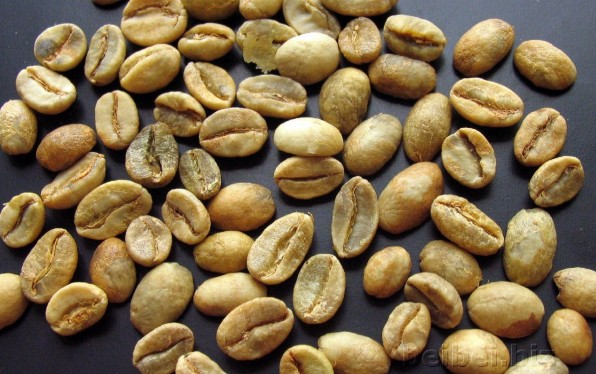
World boutique coffee manor Ethiopian coffee beans; introduction of Ethiopian mocha coffee raw beans
The hometown of Arabian coffee, growing up at high latitudes, needs a lot of manual care. Here is the famous Ethiopian mocha, which has a sour taste similar to that of wine, fragrant and productive. Ethiopia (Ethiopia) Mocha Coffee Raw Bean Ethiopia mocha green bean Arabica Coffee is the hometown of Arabian Coffee, which grows in high places.

Why is Ethiopian coffee made by hand? why is it good to drink Ethiopian coffee? is the growing environment good? the characteristics of Ethiopian coffee
For more information on coffee beans, please follow the coffee workshop (Wechat official account cafe_style) Ethiopia's perfect coffee growing environment there is great potential for coffee production in Ethiopia due to high altitude, ample rainfall, suitable temperature, suitable planting materials and fertile soil. In addition, this country has special value to the world because
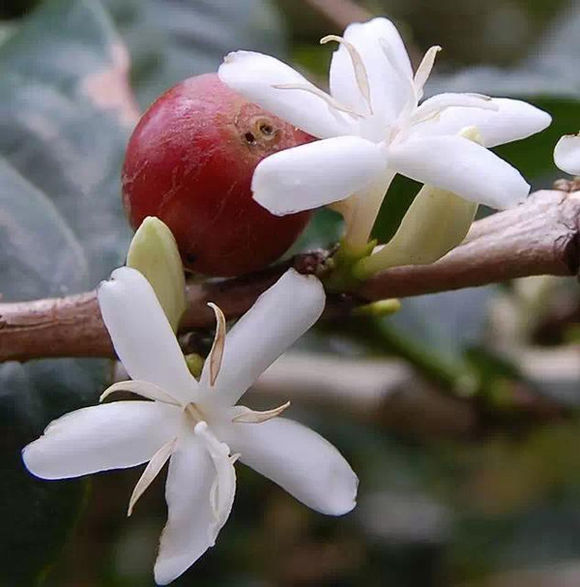
Ethiopian specialty Ethiopian coffee farm Ethiopian coffee industry and varieties
Ethiopia is one of the major producers of Arabica coffee in Africa, producing the best Arabian coffee in the world. It is said that coffee was first discovered by shepherds in Essekafa, and the name of coffee evolved from Kafa, so Essex is still the hometown of coffee. The geographical environment of coffee production and processing is very suitable for coffee growth. Coffee is mainly cultivated.

Ethiopian Coffee Features Ethiopian Coffee Flavor Boutique Coffee
Ethiopian coffee beans grow in a near-natural environment. After years of cultivation under the same growing conditions, Ethiopian coffee beans have gradually adapted to the environment here. More than 60% of coffee beans are forest or semi-forest grown coffee. Coffee farming villages produce about 35 percent of the country's coffee. Many of these are used.

Differences in Ethiopian coffee
A large amount of coffee production (95%) is done by small shareholders, with an average yield of 561 kg per hectare. For centuries, minority holders of Ethiopian coffee farms have been producing a variety of high-quality types of coffee. The secret of producing high-quality coffee is that coffee growers have developed environmental conditions through generations of repeated learning about the coffee planting process.

Ethiopian Coffee Culture characteristics of Ethiopian Coffee Export
Professional coffee knowledge exchange more coffee bean information please follow coffee workshop (Wechat official account cafe_style) Coffee is the core of Ethiopian culture, coffee production is both a loving labor and an important source of income. This crop has been integrated into the culture and economy of the country. The country is the sixth largest coffee producer, according to reports, in 2018
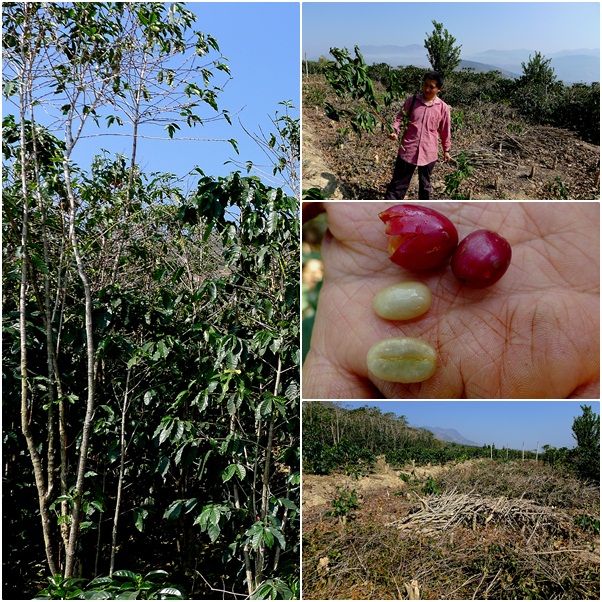
Ethiopian Konga Ethiopian Solar method High-shelf Solar method Sida, Ethiopia
About the Ethiopian sun exposure (high-shelf sun exposure): in the past, the Ethiopian sun exposure was to spread wild coffee fruits directly on the mud ground for exposure. This method has two disadvantages: 1. After picking, the beans have not been specially screened and treated, the uneven appearance and maturity are mixed together, and the process is relatively rough, so the quality of coffee beans is unstable.

The taste of Ethiopian coffee with the aroma of dried fruit. Ethiopian coffee products are introduced in the manor area.
Coffee is Ethiopia's most important export cash crop and the main source of Ethiopia's foreign exchange earnings. Ethiopia's coffee exports account for about 3% of the world market, making it the eighth largest coffee exporter in the world. Coffee exports increased steadily from 58000 tons in 1990 to 110000 tons in 1995-1996 and remained at this level in the following years. 2001-2002

Ethiopian Coffee Manor Flavor Taste introduces Ethiopian boutique coffee beans
Sustainable coffee culture Ethiopian coffee beans grow in close to the natural environment, after years of planting under the same growth conditions, Ethiopian coffee beans have gradually adapted to the environment here. More than 60% of coffee beans are grown in forests or semi-forests. The villages that grow coffee in large areas account for about the total amount of coffee produced in the country.

Ethiopian Coffee characteristics introduce Ethiopian Coffee Brand Ethiopian Coffee varieties
In Ethiopia, the grading and quality control system of coffee is divided into three levels: producer, regional and national. All coffee is inspected by local inspection agencies before leaving the country of origin, and then re-tested at the coffee inspection and grading centers in Addis and Diredawa to determine its quality grade. Coffee is graded before auction and sale, for all involved in production, acquisition,

Ethiopian coffee introduces the characteristics of Ethiopian coffee Ethiopian coffee taste
Ethiopia is one of the major producers of Arabica coffee in Africa, producing the best Arabian coffee in the world. It is said that coffee was first discovered by shepherds in Essekafa, and the name of coffee evolved from Kafa, so Essex is still the hometown of coffee. The geographical environment of coffee production and processing is very suitable for coffee growth. Coffee is mainly cultivated.

Wild flavor Ethiopian coffee bean varieties taste manor production area treatment method grinding engraving degree introduction
Ethiopian Coffee Bean Variety Taste Manor Regional treatment Grinding scale introduces Ethiopian Sidamo is a type of single origin that grows in Arabica coffee in Ethiopia's Sidamo province. Like coffee in most African countries, Ethiopian Sidamo is characterized by small gray beans, but characterized by its rich, spicy, wine or chocolate-like taste and floral aroma.

How about Starbucks Ethiopian food? Starbucks launches Ethiopian moderately roasted coffee
Yega Xuefei is a small town in Ethiopia, 1700-2100 meters above sea level. It is located in the northwest of Sidamo Province. It is one of the highest coffee producing areas in Ethiopia and is synonymous with Ethiopian boutique coffee. Strictly speaking, Yega Xuefei is a by-product area of Ethiopia's Sidamo producing area (Sidamo), which is independent because of its special flavor.
Exquisite Ethiopian coffee beans Starbucks Ethiopian coffee
Ethiopia has unique natural conditions suitable for growing all imaginable varieties of coffee. As a upland crop, Ethiopian coffee beans are mainly grown in areas between 1100 and 2300 meters above sea level, roughly distributed in southern Ethiopia. Deep soil, well drained soil, weakly acidic soil, laterite and soil are soft and contain

Introduction to the smooth and smooth Ethiopian Sidamo Chiso Coffee Flavor Manor
In February 1977, Lieutenant Colonel Mengistu Haier Maryam (MENGISTU HAILE MARIAM) launched a military coup and served as Chairman of the interim military Administrative Council and head of State. In 1979, the Ethiopian Labor people's Party Organization Committee, dominated by soldiers, was established to implement an one-party system. In 1984, the Ethiopian Workers' Party was formed according to the Soviet Communist Party model. Mengistu, September 1987

Introduction to the Grinding scale of the Regional treatment method for the production of Ethiopian Coffee beans
Ethiopian Coffee Bean species Flavor Taste Manor Regional treatment Grinding scale introduces Ethiopia Sidamo is a type of single origin growing in Arabica coffee in Ethiopia's Sidamo province. Like coffee in most African countries, Ethiopian Sidamo is characterized by small gray beans, but characterized by its rich, spicy, wine or chocolate-like taste and flowers.